
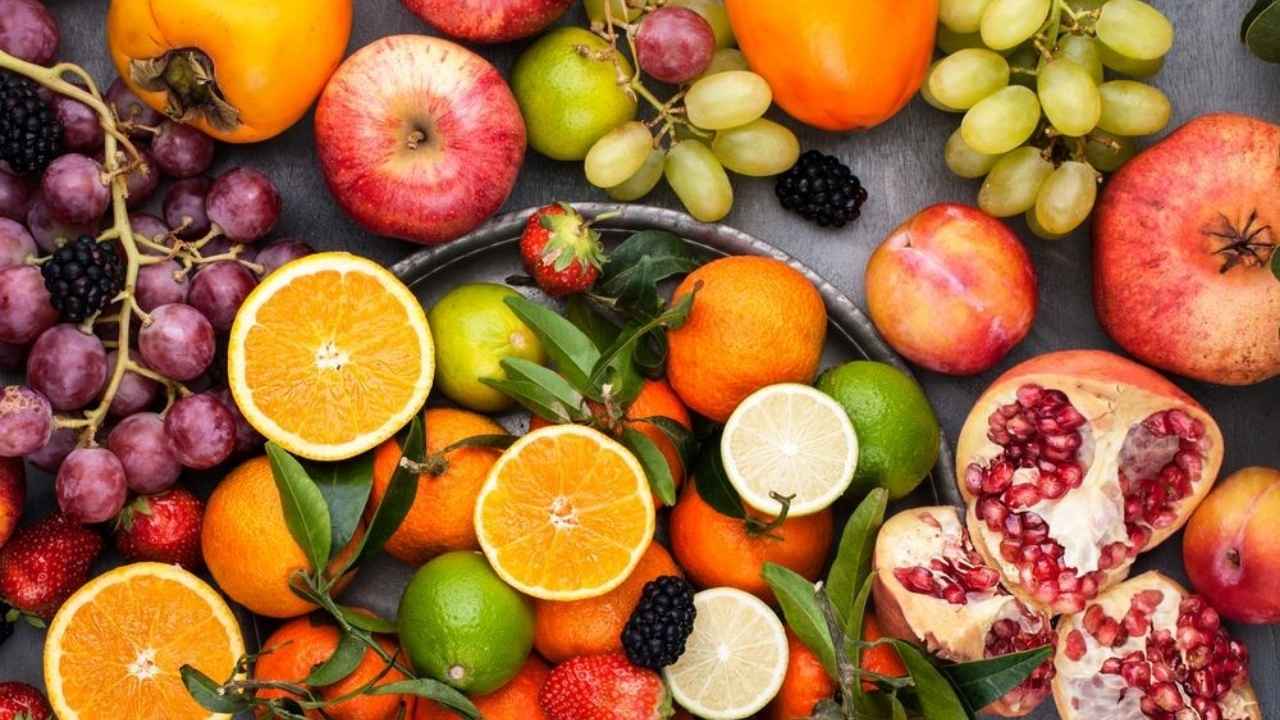
Seasonal produce offers a simple way to enjoy food at its very best. Fruits and vegetables taste richer, fresher, and more natural when they grow in the right season. Instead of traveling long distances or sitting in storage for weeks, they reach your plate quickly and keep their true flavour.
At the same time, seasonal eating helps the planet. Local produce needs less transport, less packaging, and less energy to grow. By choosing what’s in season, you not only eat healthier meals but also support farmers and reduce your environmental impact.
Why Seasonal Produce Tastes Better?
Fresh fruits and vegetables always taste better when they grow in their natural season. A juicy summer tomato or a sweet winter orange feels more flavourful than produce bought out of season. Many people notice the difference but don’t always know the reason behind it.
Seasonal produce grows the way nature intended. Farmers harvest it at the right time, not too early and not too late. This simple process improves taste, nutrition, and even helps the environment. Let’s explore why seasonal food makes such a big difference.
Nature Knows the Right Time
Every fruit and vegetable has a natural growing cycle. Some crops love warm sunshine, while others prefer cool weather. When farmers follow this cycle, plants grow strong and healthy.
Tomatoes grow best in summer heat. Leafy greens like spinach grow well in cooler months. When you eat produce in its proper season, you enjoy food that has grown under perfect conditions.
Better Taste Comes from Natural Ripening
Seasonal produce tastes better because it ripens naturally on the plant. Fruits and vegetables develop full flavour, colour, and texture before harvest.

Out-of-season produce often gets picked too early so it can survive long transport and storage. This early picking reduces sweetness and freshness.
Think about strawberries. Fresh local strawberries taste sweet and juicy. Imported ones often feel firm and bland. The difference comes from natural ripening.
Fresher Food Reaches You Faster
Seasonal produce usually travels shorter distances. Local farmers harvest it and send it to markets or stores quickly. Less travel time means fresher food.
When food travels across countries or continents, it can spend days or weeks in trucks, ships, or warehouses. During this time, it loses flavour and nutrients.
Fresh food simply tastes brighter and feels crispier. You can notice it in every bite.
More Nutrients for Your Body
Freshly harvested produce keeps more vitamins and minerals. The longer fruits and vegetables sit in storage, the more nutrients they lose.

Seasonal food reaches your kitchen sooner, so it stays richer in nutrients. You get more vitamin C, fibre, and antioxidants without extra effort.
This makes seasonal eating a healthy and natural choice for your body.
Lower Prices at the Store
Seasonal produce often costs less. Farmers grow these crops in large amounts during their peak season, which increases supply and lowers prices.
Out-of-season food requires greenhouses, special storage, or long-distance shipping. These extra steps add cost, and you pay more at the store.
Buying what’s in season helps you save money while still eating fresh and healthy meals.
Supports Local Farmers and Communities
When you buy seasonal produce, you often buy from local farms. This supports small businesses and keeps money within your community.

Local farmers can sell their harvest quickly without expensive transport or storage. This helps them earn fair prices and grow better food.
Farmers’ markets, farm shops, and local stores offer great places to find fresh seasonal produce.
Reduces Environmental Impact
Seasonal eating also protects the planet. Food that travels long distances creates more carbon emissions from trucks, planes, and ships.
Greenhouses that grow out-of-season produce use extra energy for heating and lighting. This increases pollution.
Local, seasonal food needs fewer resources. It grows naturally with sunlight and rain. This reduces energy use and lowers your carbon footprint.
Small changes in shopping habits can make a big environmental difference.

Less Packaging and Food Waste
Imported produce often needs plastic packaging to protect it during travel. This creates more waste.
Seasonal food from local markets usually comes with minimal or no packaging. You can even bring your own bags.
Fresh food also lasts longer at home. Since it arrives quickly after harvest, it stays good for more days. This helps reduce food waste.
Cooking Becomes Easier and More Fun
Seasonal ingredients inspire simple cooking. When produce tastes good on its own, you don’t need heavy sauces or complicated recipes.
A fresh tomato salad in summer or roasted squash in autumn feels satisfying and easy. Seasonal cooking connects you with nature and changes your meals throughout the year.
This variety keeps your diet interesting and enjoyable.

Seasonal Eating Works Everywhere
You don’t have to live in the UK to follow seasonal eating. Every country has its own fruits and vegetables that grow at different times of the year.
Learn what grows locally where you live. Visit markets and ask sellers what’s fresh. Build your meals around those ingredients.
This approach works anywhere in the world and brings the same benefits.
Simple Tips to Start Eating Seasonally
Start small. Choose one or two seasonal items each week. Check labels for local produce. Visit farmers’ markets when possible.
Plan meals around what’s fresh instead of searching for specific out-of-season foods. Try new recipes and enjoy natural flavours.