
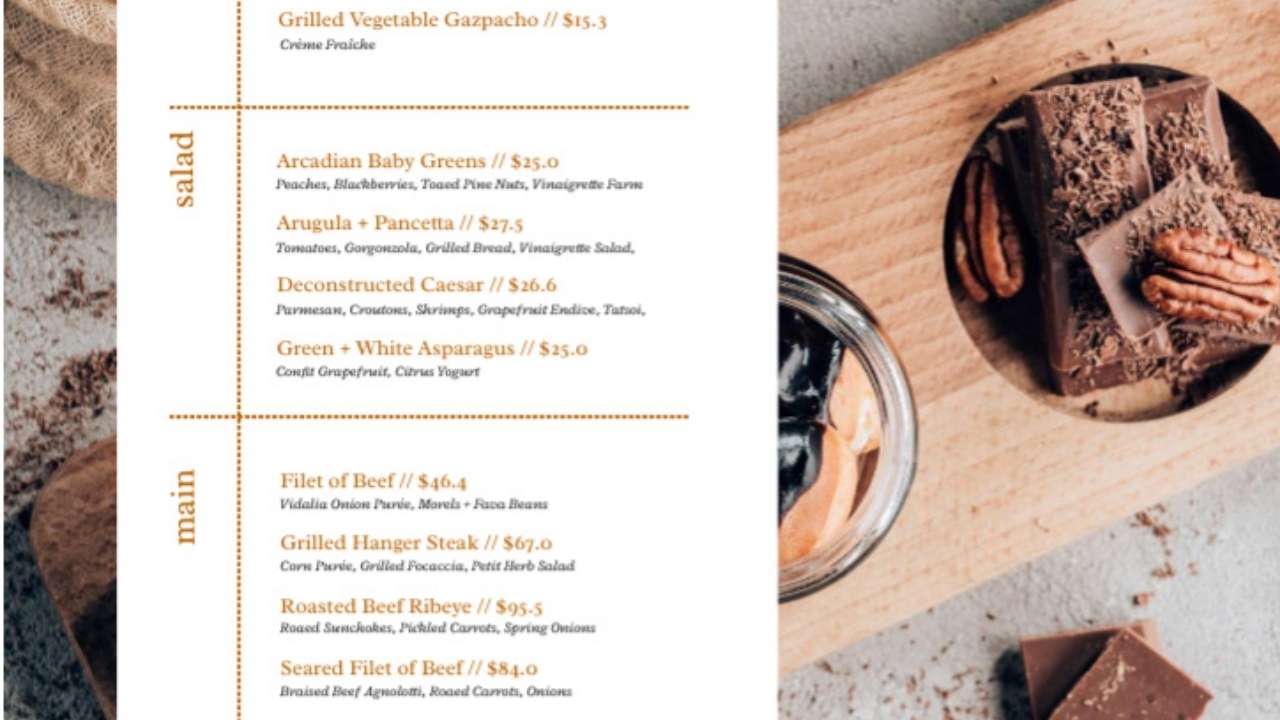
Seasonal menus also help chefs plan their kitchens more efficiently. When ingredients follow a natural cycle, it becomes easier to predict availability and pricing. This allows chefs to design dishes in advance, control inventory better, and avoid last minute substitutions. A well planned seasonal menu keeps operations smooth and reduces the stress that often comes with sourcing hard to find ingredients.
Over time, cooking with seasonal produce also builds a deeper connection between chefs and their food. Understanding when and how ingredients grow creates more respect for quality and freshness. This mindset encourages thoughtful cooking and simpler recipes that highlight natural flavours. In the end, seasonal cooking not only improves the menu but also strengthens the overall philosophy of the kitchen.
Seasonal Menus: Why Chefs Should Cook with What’s in Season
Great cooking always starts with great ingredients. No matter how skilled a chef may be, the final dish depends heavily on the quality and freshness of the produce used. That’s why many chefs today are moving toward seasonal menus instead of serving the same items all year round. Cooking with what’s naturally available during each season helps create meals that taste better and feel more authentic.
Seasonal menus are not just a trend. They offer real benefits for restaurants, chefs, and customers alike. From better flavour and lower costs to fresher ingredients and more creative dishes, seasonal cooking makes both practical and culinary sense. Let’s explore why working with seasonal produce can transform a kitchen for the better.
Better flavour and freshness
Vegetables and fruits taste best when they grow in their natural season. They ripen fully under the right weather conditions and develop stronger flavours, brighter colours, and better texture. A summer tomato tastes sweeter and juicier, while winter root vegetables feel heartier and richer.

When chefs cook with seasonal ingredients, dishes naturally taste fresher and more vibrant. Customers can easily notice the difference in flavour. Freshness adds depth to recipes without needing heavy sauces or extra seasoning.
Lower ingredient costs
Seasonal produce usually costs less because it grows in abundance. Farmers harvest large quantities during peak season, which increases supply and reduces prices. Restaurants can buy fresh ingredients at better rates compared to expensive imported or out of season items.
Lower food costs help improve profit margins. Chefs can design menus that stay budget friendly while still offering high quality dishes. Seasonal cooking becomes a smart financial decision as well as a culinary one.
Easier sourcing from local suppliers
Seasonal menus often rely on local farms and nearby suppliers. Local produce travels shorter distances and reaches kitchens faster, which keeps it fresher. Working with local suppliers also makes deliveries more reliable and flexible.

This close connection allows chefs to know exactly where their ingredients come from. It builds trust and ensures consistent quality. Local sourcing also supports the community and reduces environmental impact.
More creative and dynamic menus
Using seasonal ingredients encourages creativity in the kitchen. Instead of repeating the same dishes all year, chefs can design menus that change with each season. This keeps cooking exciting and inspiring.
New vegetables, fruits, and herbs open the door to fresh ideas and unique recipes. Customers also enjoy trying something different every few months. Seasonal changes make the menu feel lively and interesting rather than predictable.
Improved customer experience
Many diners appreciate seasonal food because it feels fresh and authentic. They enjoy knowing that their meal matches the time of year. A light salad in summer or a warm soup in winter simply feels right.

Restaurants that highlight seasonal menus often attract customers who value quality and sustainability. This attention to freshness can lead to better reviews and repeat visits. Guests remember meals that taste natural and thoughtfully prepared.
Reduced food waste
Seasonal produce usually arrives fresher and lasts longer. This gives chefs more time to use ingredients before they spoil. Longer shelf life reduces the chances of throwing away unused vegetables or fruits.
Less waste means lower costs and better efficiency in the kitchen. Seasonal planning also helps chefs order the right quantities. Managing stock becomes easier and more organized.
Supports sustainable practices
Cooking seasonally benefits the environment as well. Local and seasonal produce requires less transportation, storage, and packaging. This reduces fuel use and lowers carbon emissions.

Many customers today prefer businesses that follow sustainable practices. By choosing seasonal ingredients, chefs show responsibility toward the planet. This positive image can strengthen the restaurant’s brand.
Stronger relationships with farmers
Seasonal sourcing allows chefs to build direct relationships with farmers and suppliers. These partnerships often lead to better communication and higher quality produce. Farmers may even offer special or unique ingredients grown specifically for the restaurant.
Working closely with growers creates a sense of trust and cooperation. It helps both sides succeed and ensures the kitchen always receives the best available produce.
Keeps the kitchen team inspired
Cooking the same menu every day can become repetitive for kitchen staff. Seasonal changes bring variety and keep the team motivated. Trying new ingredients and recipes helps chefs develop their skills and creativity.

An inspired kitchen often produces better food. When the team feels excited about the menu, that energy shows in the final dishes served to customers.
Builds a strong brand identity
Seasonal menus help restaurants stand out. They show that the chef values freshness, quality, and thoughtful cooking. Promoting seasonal dishes can attract customers who care about local food and healthy eating.
This approach builds a strong and trustworthy brand image. Over time, people associate the restaurant with fresh and flavourful meals, which leads to loyalty and positive word of mouth.