
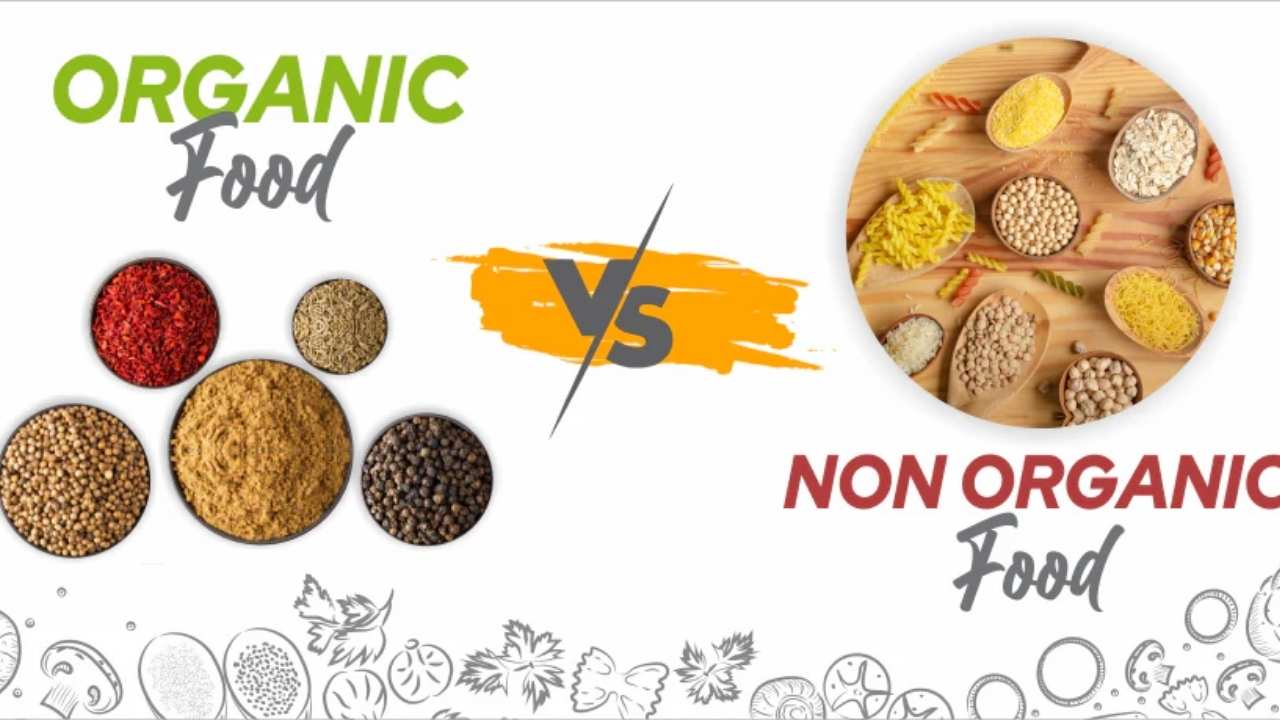
Choosing between organic and non-organic fruits and vegetables can feel confusing when you shop for groceries. Labels, prices, and health claims often make it hard to know which option is better. Many people wonder if organic food is really healthier or just more expensive.
Understanding the basic differences can help you make smarter choices for your family and your budget. Both types of produce offer important nutrients, but they are grown and handled in different ways. Knowing how they compare makes shopping easier and more confident.
Organic vs Non-Organic Produce: What’s the Difference?
When shopping for fruits and vegetables, you may often notice labels that say “organic” or “non-organic.” Many people see organic produce as healthier or safer, while others focus on price and convenience. This can make grocery shopping confusing, especially if you don’t fully understand what these terms actually mean.
The truth is that both organic and non-organic produce offer important nutrients and health benefits. However, the way farmers grow, handle, and process them can differ. Understanding these differences helps you make smarter choices based on your budget, lifestyle, and personal preferences.
What does organic produce mean?
Organic produce comes from farms that follow natural growing practices. Farmers avoid synthetic pesticides, chemical fertilizers, and genetically modified seeds. Instead, they use compost, crop rotation, and natural pest control methods to protect their crops and improve soil health.

This approach focuses on working with nature rather than relying on artificial chemicals. Organic farming also promotes biodiversity and long-term soil care. Because of these methods, many people feel that organic fruits and vegetables are more natural and environmentally friendly.
What is non-organic produce?
Non-organic produce, often called conventional produce, comes from modern farming systems. Farmers may use synthetic fertilizers, pesticides, and other tools to protect crops and increase yield. These methods help grow food faster and in larger quantities.
Conventional farming makes fruits and vegetables more affordable and widely available. It allows farmers to meet high demand and keep prices lower for consumers. While chemicals are used, governments set safety limits to ensure food remains safe for consumption.
Differences in farming methods
The biggest difference between organic and non-organic produce lies in how farmers grow the crops. Organic farming uses natural compost and biological pest control, while conventional farming relies more on chemical sprays and fertilizers.

Organic farmers focus on soil quality and long-term sustainability. Conventional farmers focus on efficiency and higher production. Both methods aim to provide fresh food, but their techniques and priorities differ.
Taste and freshness comparison
Many people believe organic produce tastes better because it grows more naturally and often comes from smaller farms. Some fruits and vegetables may have richer flavour, especially when freshly harvested and locally sourced.
However, taste can also depend on factors like season, soil quality, and storage time. A fresh, local non-organic tomato can taste better than an organic one that has travelled far. In most cases, freshness matters more than the label.
Nutritional value differences
A common question is whether organic food contains more nutrients. Studies show that both organic and non-organic fruits and vegetables offer similar levels of vitamins and minerals. The nutritional differences are usually small.

The most important thing is eating enough fruits and vegetables daily. Whether organic or not, produce still provides fibre, antioxidants, and essential nutrients that support your health. Eating a variety of colourful foods matters more than choosing only one type.
Pesticide use and safety
Organic farming avoids synthetic pesticides, but that doesn’t mean it uses none at all. Organic farmers may use natural or plant-based pesticides when necessary. These options tend to be less harmful to the environment.
Conventional farming uses approved chemical pesticides, but strict regulations control how much farmers can apply. Food safety authorities test produce to ensure residue levels remain within safe limits. Washing fruits and vegetables properly can further reduce any residues.
Environmental impact
Organic farming often supports the environment by improving soil health, reducing pollution, and protecting wildlife. Natural fertilizers and crop rotation help maintain long-term sustainability. These methods also reduce chemical runoff into water sources.

Conventional farming, while efficient, may sometimes put more pressure on soil and water due to chemical use. However, modern technology continues to improve sustainability in both systems. Many farms now try to balance productivity with environmental care.
Price differences
One noticeable difference between organic and non-organic produce is the price. Organic fruits and vegetables usually cost more because farmers produce them in smaller quantities and use labour-intensive methods. Certification and inspections also add to the cost.
Conventional produce often costs less because farms grow it on a larger scale with faster methods. This makes it more affordable for many families. Budget often plays a big role when deciding what to buy.
Appearance and shelf life
Organic produce may sometimes look smaller or less uniform because it grows naturally without chemical treatments. You might see slight marks or irregular shapes. This doesn’t affect quality or taste.

Non-organic produce often looks brighter and more uniform because farming methods protect it from pests and damage. It may also last longer during storage. Appearance doesn’t always reflect nutrition, so it’s important not to judge only by looks.
How to choose what’s right for you
There is no single correct choice when it comes to organic versus non-organic. Your decision may depend on your budget, availability, and personal values. Some people prefer buying organic for certain items and conventional for others.
A practical approach involves focusing on seasonal, fresh, and local produce first. Washing fruits and vegetables properly and eating a variety of foods is more important than choosing only one category. Balance and consistency matter most.