
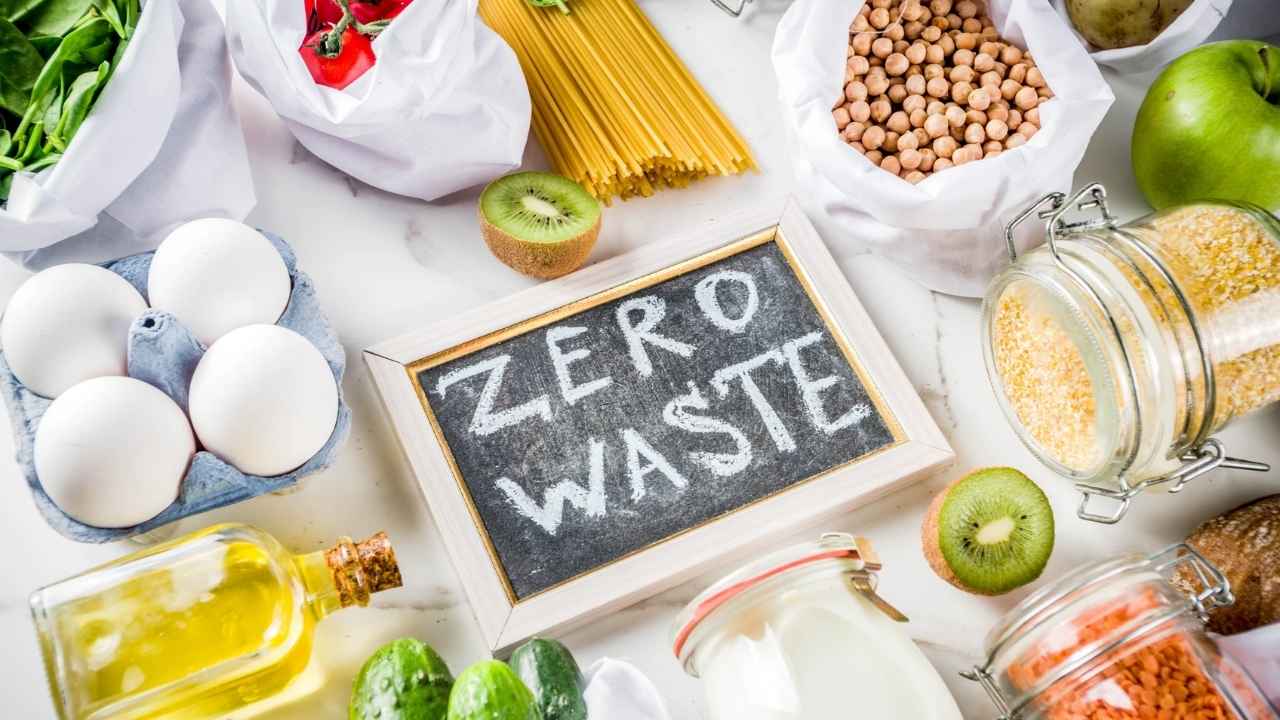
Food waste has become a common issue in many homes, often because people buy more fruits and vegetables than they can actually use. Extra produce sits in the fridge, loses freshness, and eventually gets thrown away. This not only wastes money but also wastes the time, effort, and resources used to grow that food. Finding simple ways to manage groceries better can help reduce this problem.
Weekly produce boxes offer an easy and practical solution. They deliver fresh, seasonal fruits and vegetables in the right quantities, which makes meal planning simpler and prevents overbuying. When you know exactly what you have for the week, you cook smarter, use everything efficiently, and waste far less food.
How to Reduce Food Waste with Weekly Produce Boxes
Food waste has become a common problem in many homes around the world. People often buy more fruits and vegetables than they need, forget items in the fridge, or throw away produce that spoils too quickly. This not only wastes money but also harms the environment. When food gets wasted, all the water, energy, and effort used to grow it also go to waste.
Weekly produce boxes offer a smart and practical solution to this issue. These boxes deliver fresh, seasonal fruits and vegetables in the right quantities straight to your home. With better planning and mindful usage, they help you reduce waste, save money, and enjoy healthier meals at the same time.
Understanding the problem of food waste
Many households waste food without realizing it. Large supermarket deals and bulk buying often tempt people to purchase more than they actually need. Over time, unused vegetables sit at the back of the fridge and spoil before anyone notices. This cycle repeats every week and leads to unnecessary waste.

Food waste also affects the planet. When wasted food ends up in landfills, it produces harmful gases that contribute to pollution. Reducing waste at home may seem small, but it creates a positive impact when many people adopt the habit. Simple changes in how we shop and cook can make a big difference.
Buying only what you need
One of the biggest benefits of weekly produce boxes is portion control. Instead of filling your cart with random items, you receive a balanced mix of fruits and vegetables in set quantities. This helps you avoid overbuying and keeps your kitchen organized.
When you have just the right amount of produce, you naturally use everything before the next delivery arrives. This steady cycle encourages smarter consumption and reduces the chances of forgotten food going bad.
Planning meals becomes easier
Produce boxes make meal planning simple because you already know what ingredients you have for the week. Instead of deciding meals at the store, you plan around what’s in your box. This approach saves time and reduces last minute purchases that often lead to waste.

For example, if you receive spinach, carrots, and potatoes, you can plan soups, stir fries, or salads in advance. Having a clear plan helps you use ingredients efficiently and prevents them from sitting unused in the fridge.
Cooking more at home
When fresh produce arrives regularly, you feel encouraged to cook more meals at home. Home cooking allows you to control portions and use ingredients fully. You rely less on takeout or packaged food, which often leads to forgotten groceries.
Cooking at home also helps you get creative. Leftover vegetables can turn into soups, wraps, or rice dishes the next day. This flexibility helps you make the most of every item instead of throwing it away.
Learning to use the whole vegetable
Weekly produce boxes often include seasonal or less common vegetables. This encourages you to explore new recipes and use parts of vegetables you might normally discard. For example, carrot tops can go into soups, broccoli stems can be sliced for stir fries, and beet greens can be sautéed like spinach.

Using the whole vegetable reduces waste and adds extra nutrition to your meals. Over time, you develop smarter cooking habits that help you stretch every ingredient further.
Better storage habits
When you receive fresh produce weekly, you become more aware of how to store it properly. Simple storage techniques can extend the life of fruits and vegetables by several days. Separating fruits and vegetables, keeping greens dry, and storing roots in cool spaces all help maintain freshness.
Good storage means less spoilage and more time to use your food. Produce boxes encourage these habits because you want everything to stay fresh until the next delivery.
Freezing and preserving extras
Sometimes you may still have a few leftover items at the end of the week. Instead of throwing them away, you can freeze or preserve them for later use. Vegetables like beans, peas, spinach, and carrots freeze well and work perfectly in soups or stir fries.

You can also make sauces, pickles, or smoothies using extra produce. These simple preservation methods reduce waste and give you ready to use ingredients for busy days. Nothing needs to go to the bin.
Supporting seasonal and local eating
Produce boxes usually focus on seasonal and locally grown food. Seasonal produce stays fresh longer because it doesn’t travel long distances or sit in storage for weeks. This natural freshness reduces spoilage and waste at home.
Local sourcing also supports farmers and reduces transportation emissions. So while you reduce food waste in your kitchen, you also help protect the environment in a broader way. It’s a win for both your home and the planet.
Saving money while reducing waste
Throwing away food means throwing away money. Every unused fruit or vegetable adds up over time. Weekly produce boxes help you use everything you pay for, which naturally lowers your grocery costs.

Because you buy only what you need and waste less, your overall spending becomes more efficient. Many families find that produce boxes help them manage their budget better while still eating healthy meals every day.
Building mindful eating habits
Using a produce box encourages you to think more carefully about what you eat and how you use your food. You start planning meals, storing items properly, and cooking creatively. These habits create a more mindful approach to food.
Mindful eating not only reduces waste but also improves your relationship with meals. You appreciate fresh ingredients more and avoid unnecessary purchases. Over time, this mindset becomes a natural part of your lifestyle.