
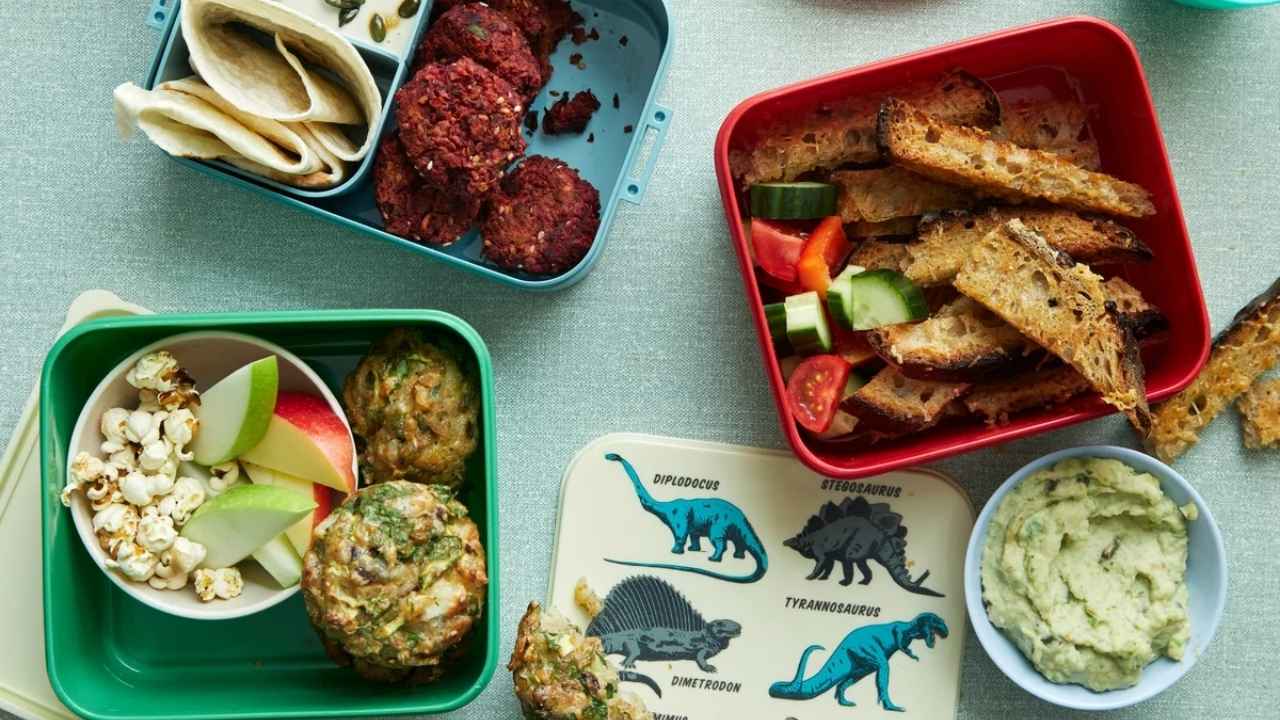
Getting the whole family to enjoy vegetables doesn’t have to feel like a struggle. With a little creativity and the right recipes, fresh produce can turn into meals that kids actually look forward to eating. Simple dishes that feel familiar, colourful, and fun often work best, especially when vegetables are mixed into flavours everyone already loves.
A weekly veg box makes this even easier by giving you fresh, seasonal ingredients ready to use. Instead of worrying about what to cook, you can plan quick, tasty meals that reduce waste and keep everyone happy at the table. Healthy family eating becomes simple when vegetables feel like part of the fun, not the problem.
Family-Friendly Veg Box Recipes Even Fussy Eaters Will Love
Getting kids or picky eaters to enjoy vegetables can feel like a daily challenge for many families. You buy fresh produce with good intentions, but some items sit untouched in the fridge because no one wants to eat them. This often leads to wasted food and mealtime stress. The good news is that vegetables don’t have to be boring or difficult to serve.
A weekly veg box can actually make family cooking easier and more fun. When you turn fresh, seasonal vegetables into simple and tasty recipes, even fussy eaters start to enjoy them. With the right ideas and a little creativity, you can prepare meals that feel comforting, familiar, and delicious for everyone at the table.
Why veg boxes work well for families
Veg boxes usually contain a balanced mix of fresh, seasonal produce that changes each week. This variety encourages families to try new ingredients without overbuying at the store. Since everything arrives fresh, you’re more likely to cook at home and plan meals ahead.

Cooking together using what’s already in the box also reduces stress. Instead of wondering what to buy, you simply create meals around what you have. This makes weeknight dinners quicker and helps children become more open to tasting different foods.
Hide veggies in tasty sauces and soups
Many picky eaters avoid vegetables because of their texture or strong flavours. Blending vegetables into sauces or soups solves this problem easily. When vegetables mix smoothly into the dish, kids often don’t even notice them.
Tomatoes, carrots, spinach, and courgettes blend well into pasta sauce or creamy soups. You still get all the nutrients, but the taste feels mild and comforting. Serve with pasta or bread, and it becomes a family favourite.
Cheesy veggie pasta bake
A pasta bake feels warm, filling, and familiar, which makes it perfect for children. Cook pasta and mix it with lightly sautéed vegetables like broccoli, sweetcorn, carrots, or peas. Add tomato sauce or white sauce, sprinkle cheese on top, and bake until golden.

The melted cheese and soft texture make vegetables more appealing. This dish also works well for leftovers, so you can pack it for lunch the next day. It’s simple, affordable, and loved by most families.
Crispy vegetable fritters
Fritters turn everyday vegetables into fun finger food. Grate carrots, potatoes, courgettes, or corn and mix them with flour, egg, and mild spices. Shape small patties and cook until crispy on both sides.
The crunchy outside and soft inside make these fritters very kid-friendly. Serve them with yoghurt or ketchup for dipping. Kids often enjoy eating them like snacks rather than vegetables.
Homemade veggie pizza
Pizza night always excites children, and it’s a great way to use vegetables creatively. Spread tomato sauce on a pizza base and let everyone add their own toppings. Offer colourful options like peppers, mushrooms, onions, sweetcorn, and spinach.

When kids choose their own toppings, they feel more involved and more likely to eat them. Cheese melts everything together, making the vegetables taste delicious and less noticeable.
Smoothies packed with hidden greens
Smoothies offer an easy way to include fruits and vegetables at breakfast or snack time. Blend bananas, berries, or mangoes with a handful of spinach or kale. The sweetness of fruit covers the taste of greens completely.
This method works especially well for children who refuse leafy vegetables. A colourful smoothie feels like a treat while still providing important vitamins and fibre. It’s quick to prepare and perfect for busy mornings.
Veggie fried rice or noodles
Rice and noodles feel familiar and comforting, which makes them ideal for picky eaters. Chop vegetables into small pieces and cook them with rice or noodles, soy sauce, and mild seasoning. Carrots, beans, cabbage, and peas work well here.

Small pieces blend easily into the dish, so kids don’t focus on individual vegetables. Adding egg or tofu also boosts protein and makes the meal more filling. This recipe uses leftover vegetables perfectly.
Creamy mashed veggie bowls
Mashed vegetables feel soft and easy to eat, which many children prefer. Boil potatoes and mix them with mashed carrots, sweet potatoes, or cauliflower. Add butter or a little milk for creaminess.
This colourful mash tastes slightly sweet and smooth, making it more appealing than plain vegetables. Serve it with simple sides like grilled chicken or beans for a balanced meal.
Fun wraps and rolls
Wraps make mealtime interactive and exciting. Fill soft tortillas or flatbreads with roasted vegetables, cheese, beans, or hummus. Let everyone build their own wraps according to their taste.

When children assemble their own food, they feel more interested in eating it. Wraps also allow you to mix many vegetables together in a fun and easy way. They work great for lunchboxes too.
Sweet roasted vegetables
Roasting vegetables brings out their natural sweetness and improves flavour. Carrots, sweet potatoes, pumpkins, and peppers taste much better when roasted with olive oil and mild herbs. The edges turn slightly crispy and caramelised.
This sweeter taste often wins over picky eaters who dislike raw or steamed vegetables. Roasted veggies also pair well with many dishes and require very little preparation.
Make meals colourful and fun
Presentation can make a big difference for children. Bright colours and fun shapes make food more attractive. Try cutting vegetables into sticks, stars, or small cubes. Arrange them neatly or create colourful plates.
When meals look exciting, kids feel curious to try them. Small visual changes can turn simple vegetables into something special without extra effort.